
Smart strategies for air conditioning repair and seasonal heating readiness
When summer heat arrives, air conditioning repair becomes a priority for comfort, safety, and efficiency. A proactive approach can shorten downtime, prevent costly breakdowns, and keep indoor environments stable through temperature swings. The following guide outlines practical steps households and facilities can take to prepare for a service visit, communicate issues clearly, and support long-term system reliability. It also touches on the value of coordinated attention to cooling and heating equipment, including timely attention to furnace repair as seasons change.
1. Document symptoms and timing
Keep a simple log of what you notice: odd noises, short cycling, weak airflow, or warm air from vents. Note when the issue occurs—during peak afternoon heat, overnight, or after a storm. Clear, time-stamped details help technicians reproduce conditions, pinpoint root causes faster, and reduce unnecessary part swaps.
2. Clear access for faster diagnostics
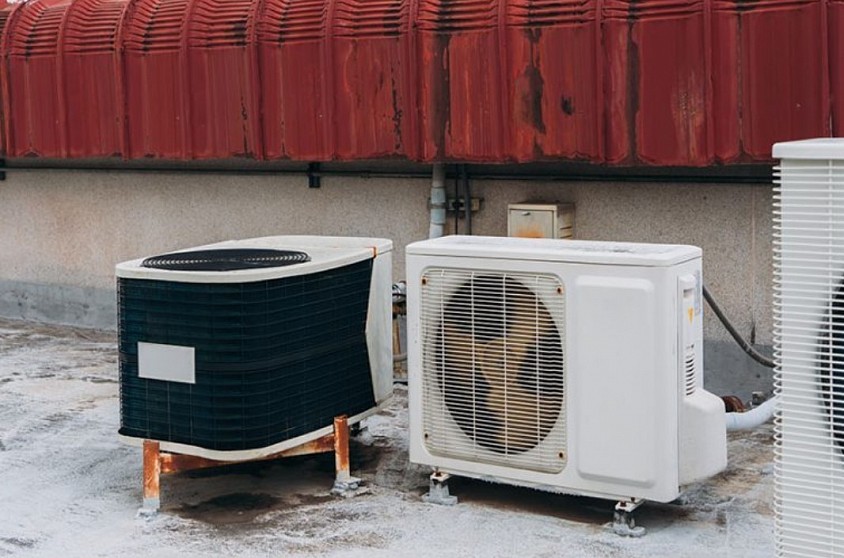
Ensure easy access to the outdoor condenser and indoor air handler. Trim back vegetation, move stored items, and provide a safe, dry workspace. Open access reduces service time, minimizes the chance of accidental damage, and allows accurate testing of electrical components and refrigerant circuits.
3. Check airflow basics
Before a visit, verify that vents are open and unobstructed, interior doors are not restricting circulation, and return grilles are clear. Restricted airflow can mimic deeper system problems and complicate diagnostics. Addressing simple obstructions first helps isolate genuine equipment faults.
4. Listen for diagnostic sounds
Distinct sounds can hint at specific issues. Rattling may indicate loose panels or hardware, buzzing can suggest electrical stress, and hissing might be associated with airflow or refrigerant concerns. Share what you hear and when it happens. Accurate descriptions speed up testing sequences and guide meter-based confirmation.
5. Safeguard electrical connections
If the system is repeatedly tripping breakers, do not keep resetting them. Make note of the panel location and the affected circuit, then leave the breaker off until a qualified professional evaluates the load and wiring. Consistent power quality and safe circuits are essential for compressor and blower longevity.
6. Support refrigerant integrity
Refrigerant charge must match manufacturer specifications for efficiency and coil protection. Signs of imbalance include icing on lines or coils, longer run times, and uneven cooling. Avoid guesswork products or stop-gap sealants. A thorough leak check, proper evacuation, and correct recharging protect components and stabilize performance.
7. Coordinate cooling and heating upkeep
Cooling and heating share ductwork, controls, and many performance variables, so align seasonal attention. After peak cooling, schedule evaluations that include burner inspection, ignition checks, and ventilation review where applicable. Combining air conditioning service with timely furnace repair helps ensure smooth transitions between seasons and prevents surprises on the first cold night.
8. Mind indoor air quality contributors
Dust, construction debris, and household pollutants can clog coils and filters, raise static pressure, and force systems to work harder. Maintain a consistent filter change schedule compatible with your blower capacity. If renovations are underway, cover registers and ask for post-project airflow and cleanliness checks.
9. Calibrate thermostats and controls
Inaccurate readings lead to short cycles, overshoot, or system strain. Confirm thermostat placement away from sunlight, drafts, and heat-generating appliances. Consider professional calibration or control updates when behavior seems inconsistent. Proper staging and fan settings support comfort and efficiency.
10. Prepare system history and parts info
Have model and serial numbers ready, along with any prior service notes or replaced components. This context can identify known weak points, compatibility requirements, and warranty pathways. It also helps source correct parts promptly during peak-season repairs.
11. Embrace preventive scheduling
Peak heat creates long queues. Off-peak checkups reduce wait times and catch developing issues while stress on components is lower. A preventive approach lowers emergency calls, stabilizes bills, and protects compressors, contactors, capacitors, and other wear-prone parts.
12. Prioritize safety and ventilation
Ensure that attic or closet installations have adequate ventilation and that condensate drains are clear to prevent moisture damage. For equipment located in tight spaces, safe access and lighting help technicians work accurately and avoid unintended disruptions to wiring or drains.
Air conditioning repair succeeds fastest when preparation, communication, and safety come together. By tracking symptoms, clearing access, coordinating cooling service with essential furnace repair, and supporting clean airflow and accurate controls, you create conditions for efficient diagnostics and durable, comfortable results all year.
Smart Maintenance Priorities for Air Conditioning Repair in Every Season
A well-tuned cooling system keeps homes comfortable, energy use steady, and indoor air quality healthier. When issues arise, quick, informed action can prevent small problems from turning into costly breakdowns. The following guide outlines practical, season-by-season insights that help homeowners understand how professional air conditioning repair service aligns with preventive care, comfort goals, and equipment longevity, while also recognizing related heating system needs such as BOILER REPAIR during cold-season transitions.
1) Start with airflow and filtration
- Restricted airflow strains components, drives up energy use, and can trigger frequent cycling. Replace or clean filters on a regular schedule that matches your home’s dust, pet, and occupancy levels.
- Keep supply registers and return grilles open and unobstructed. Blocked vents lead to uneven cooling and unnecessary stress on the blower motor.
- If you notice weak airflow, a technician can check for collapsed ducts, disconnected runs, or debris at the evaporator coil that requires careful cleaning.
2) Pay attention to thermostat behavior
- Short cycles, temperature swings, or a thermostat that doesn’t match room conditions often signal calibration issues or wiring concerns.
- Programmable and smart thermostats should be set to reasonable schedules that avoid extreme temperature setbacks, which can force longer recovery times and extra wear.
3) Keep the outdoor unit clean and level
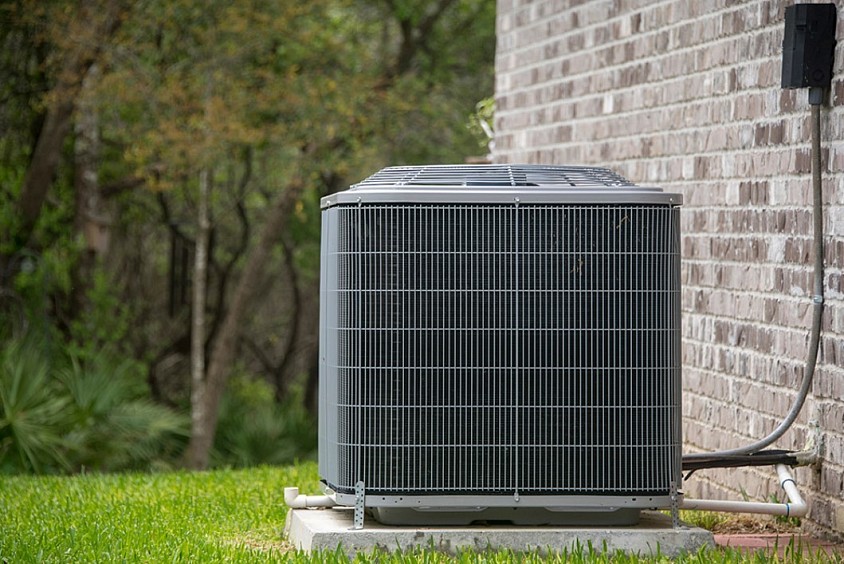
- The condenser needs clear space to release heat. Trim vegetation back and gently rinse away cottonwood fluff, grass clippings, and dirt on the coil fins.
- A unit that settles out of level can strain refrigerant lines and fan bearings. If the pad has shifted, a professional can relevel the base and inspect for vibration damage.
4) Watch for early signs of refrigerant or coil issues
- Frost on lines, hissing sounds, or a steady decline in cooling performance can indicate refrigerant problems or a dirty evaporator coil.
- Proper diagnosis requires gauges, leak detection, and certified handling. A trained technician will confirm charge levels, fix leaks, and restore system balance to protect the compressor.
5) Safeguard the condensate path
- Water pooling around the indoor unit or damp odors often point to a clogged drain line or a full safety pan. Algae and debris can block flow and lead to water damage.
- Regular flushes, pan tablet use as appropriate, and inspection of the float switch help the system shed moisture safely and prevent shutdowns tied to condensate backups.
6) Align cooling care with heating readiness
- As seasons shift, it’s wise to coordinate maintenance across both cooling and heating equipment. A fall tune-up ensures burners, heat exchangers, and safety controls are ready, while a spring visit confirms cooling performance before peak demand.
- Homes that use hydronic heat benefit from timely BOILER REPAIR and maintenance so that valves, pumps, and controls operate smoothly through winter, reducing surprises when switching between heating and cooling modes.
7) Address electrical and start-up components
- Worn contactors, weak capacitors, and frayed wiring are common culprits behind no-cool calls. These components can degrade quietly before failing under load.
- Routine electrical checks catch heat stress, pitting, and loose connections early, lowering the odds of mid-season breakdowns and safeguarding the compressor and fan motors.
8) Improve duct integrity for comfort and efficiency
- Leaky return ducts can pull in attic or crawl space air, spreading dust and humidity. Supply leaks waste cooled air before it reaches living spaces.
- Sealing with mastic and verifying static pressure helps the system deliver designed airflow, stabilize room-to-room temperatures, and reduce runtime.
9) Calibrate expectations with performance realities
- Older equipment can still deliver dependable comfort when maintained, but it may have wider temperature swings or higher sound levels than newer models.
- A thorough inspection provides realistic guidance on what repairs can achieve and when it may be time to consider an upgrade plan that fits your goals.
10) Document service and schedule ahead
- Keep a simple log of filter changes, coil cleanings, drain maintenance, and repair dates. Patterns in performance or repeated issues become clearer with good records.
- Scheduling service before extreme weather ensures parts availability and faster response, and it helps your system enter each season prepared.
When homeowners pair attentive upkeep with timely professional repair, cooling equipment runs more reliably, indoor conditions stay steady, and utility use remains controlled. Integrated care that also accounts for seasonal heating needs, including BOILER REPAIR where applicable, supports year-round comfort and resilient home systems.